Auto Body Repair Costs Explained: What Homeowners Should Budget For
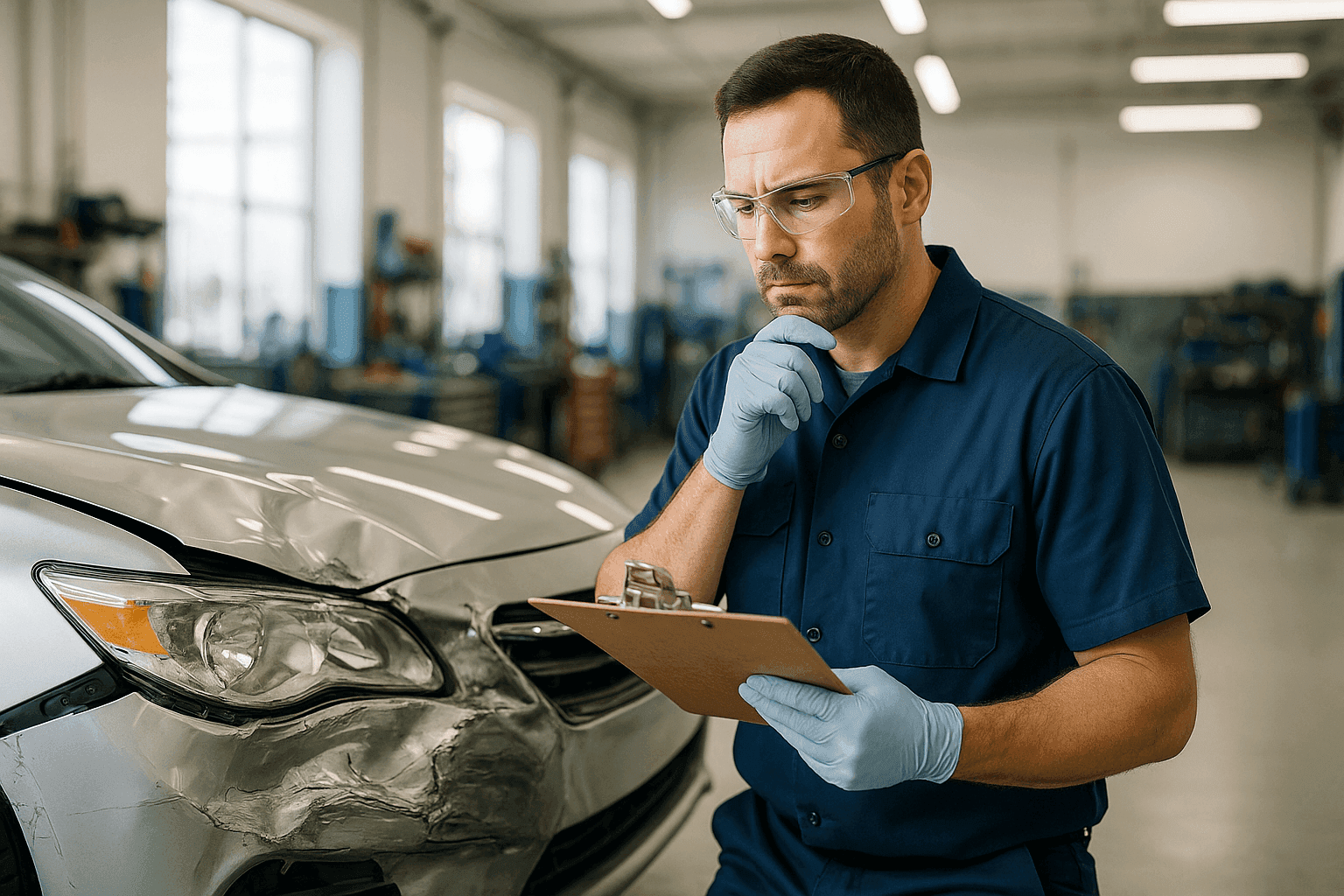
When your car gets dinged, dented, or worse, it’s easy to feel overwhelmed. You want your vehicle back looking its best—but what will it cost? At Autobody Medics, we know how important it is for homeowners to plan ahead. No one likes surprise expenses, especially when it comes to auto_body repairs.
Whether it’s a tiny scratch or a major collision, understanding what impacts repair costs helps you avoid sticker shock. Here’s what every homeowner should know before calling for tire services near you or booking a full collision repair.
Common Factors That Influence Auto Body Repair Costs 🛠️
Auto body repair isn’t one-size-fits-all. Several key factors shape the final bill—some more obvious than others.
1. The Severity of Damage
Think of car repairs like patching drywall at home. A small nail hole? Quick fix. A gaping hole? That’s a bigger project.
- Minor Damage: Small dents, light scratches, or paint chips.
- Moderate Damage: Crumpled fenders, bumper cracks, or deep scratches.
- Major Damage: Frame bending, multiple panels, or extensive collision harm.
The deeper the wound, the more time, expertise, and materials are needed.
2. Parts: OEM vs. Aftermarket
The choice between Original Equipment Manufacturer (OEM) parts and aftermarket parts is like choosing between brand-name and generic at the store.
- OEM parts come from your car’s maker—usually a perfect fit, but pricier.
- Aftermarket parts are made by third parties—can be less expensive, but sometimes vary in quality.
Ask your shop which parts they recommend and why. For safety-related repairs (like brakes or suspension), many experts follow guidelines from the National Highway Traffic Safety Administration (NHTSA) and suggest OEM.
3. Labor Rates
Auto body labor rates are the “hourly wage” for skilled technicians. These rates depend on:
- The complexity of your vehicle (luxury, hybrid, or standard).
- Shop certifications (look for I-CAR Gold Class or ASE).
- Local demand and shop reputation.
A highly trained team may cost more, but precision work often saves money in the long run.
4. Paint Matching and Blending
Matching new paint to your existing finish isn’t as simple as picking a color from a rainbow. Like mixing the perfect shade of paint for a living room wall, it takes skill, time, and sometimes specialized equipment.
- Blending adjacent panels may be necessary for a seamless look.
- Custom paint jobs or high-end finishes (pearl, metallic, matte) can push costs up.
Typical Price Ranges for Popular Services
While every situation is unique, here’s a look at what homeowners may expect for common auto_body and tire services near you. These are ballpark figures, not quotes—always ask for a personalized estimate.
Paintless Dent Repair
- Small ding or dent: $75–$200 per panel
- Multiple panels or larger dents: $200–$500+
Great for hail damage or parking lot mishaps. No fillers or repainting needed.
Scratch and Chip Repair
- Surface scratches: $50–$150 each
- Deep scratches (down to metal): $150–$500
The cost depends on whether clear coat, paint, or primer is affected.
Bumper Repair or Replacement
- Repair: $150–$600
- Replacement: $400–$1,500
Plastic bumpers can often be fixed unless severely cracked.
Auto Painting & Refinishing
- Spot repairs: $150–$500
- Full panel respray: $300–$1,000
- Complete repaint (custom): $2,000–$6,000+
Details like metallics or custom graphics can raise the price.
Windshield Repair & Glass Replacement
- Small crack or chip repair: $60–$150
- Windshield replacement: $200–$600
Modern sensors or heating elements can add to the bill.
Wheel Alignment & Suspension Repair
- Wheel alignment: $75–$200
- Suspension work: $250–$1,500+
A bent frame or damaged suspension can impact both cost and safety.
Additional Services
- Brake system repair: $150–$900
- Headlight restoration: $75–$200
- Rust repair: $100–$2,500 (depending on spread)
Remember: These are just ranges. Always ask for a written estimate with labor, parts, and paint details broken out.
Insurance and Payment Options 💡
Navigating car insurance can feel like learning a new language. Here’s how it plays into your repair bill.
How Claims Affect Your Costs
- Deductible: This is your share before insurance pays. If repairs cost $1,000 and your deductible is $500, you pay $500.
- Coverage Limits: Some policies only cover OEM parts or impose caps on labor.
- Claims History: Too many claims can affect future premiums.
Tips for Working With Adjusters
- Get a detailed estimate from a certified shop like Autobody Medics. Adjusters rely on clear, itemized quotes.
- Understand what’s covered. Ask your insurer what’s included—some items (like rental cars) may be extra.
- Document everything. Photos, receipts, and repair plans help avoid disputes.
Payment Options
Most reputable auto_body shops accept:
- Major credit cards
- Financing plans (ask if available)
- Direct insurance payments
Don’t be afraid to ask for clarification on your bill. A good shop will walk you through every line item.
Why Detailed Estimates and Certified Shops Matter
Imagine building a house without blueprints. Repairing a car without a detailed estimate is just as risky.
- Detailed estimates help you understand the work and spot any hidden charges.
- Certified technicians (I-CAR, ASE) follow industry safety standards, giving you peace of mind.
- Clear communication about the process means fewer surprises.
The Auto Body Association and your state’s Bureau of Automotive Repair both recommend getting at least one detailed, written estimate before agreeing to any work.
How to Avoid Surprise Charges
- Ask questions. If something on the estimate isn’t clear, ask for an explanation.
- Review labor rates and parts choices. Know what’s being used and why.
- Check for warranties on parts and paint. Some items come with manufacturer coverage.
FAQ: Common Homeowner Questions
How long will my auto_body repair take?
It depends on parts availability, paint drying times, and insurance approval. Simple repairs might be done in a day or two; major collision or frame work can take a week or more.
Can I choose my own shop?
Yes! Insurance companies may suggest shops, but you can always select a certified business like Autobody Medics.
Will my paint match exactly?
Shops use manufacturer codes and advanced blending techniques. While perfect matches are the goal, sun fading and older finishes can present challenges.
Is it okay to drive with minor damage?
Minor dings or scratches aren’t usually urgent. But damage to lights, bumpers, or anything affecting steering, brakes, or glass should be addressed quickly for safety.
Practical Tips for Homeowners
- Take photos immediately after any damage.
- Get estimates from certified shops—not just the cheapest.
- Ask about OEM vs. aftermarket parts.
- Know your insurance deductible.
- Don’t ignore small repairs—rust and cracks can spread, raising future costs.
References and Resources
- National Highway Traffic Safety Administration (NHTSA) – Safety guidelines for parts and repairs
- ASE (Automotive Service Excellence) – Technician certification standards
- State Bureau of Automotive Repair – Consumer rights and shop requirements
Final Thoughts
Auto body repairs can feel intimidating, but with a little knowledge, you’re in the driver’s seat. Budgeting for repairs, understanding what shapes the cost, and choosing a certified team keeps your car (and your wallet) safe.
Call Autobody Medics now — or reach us anytime at 888-448-9925 .