Emergency Auto Body Repair: What Homeowners Should Do Immediately After a Collision
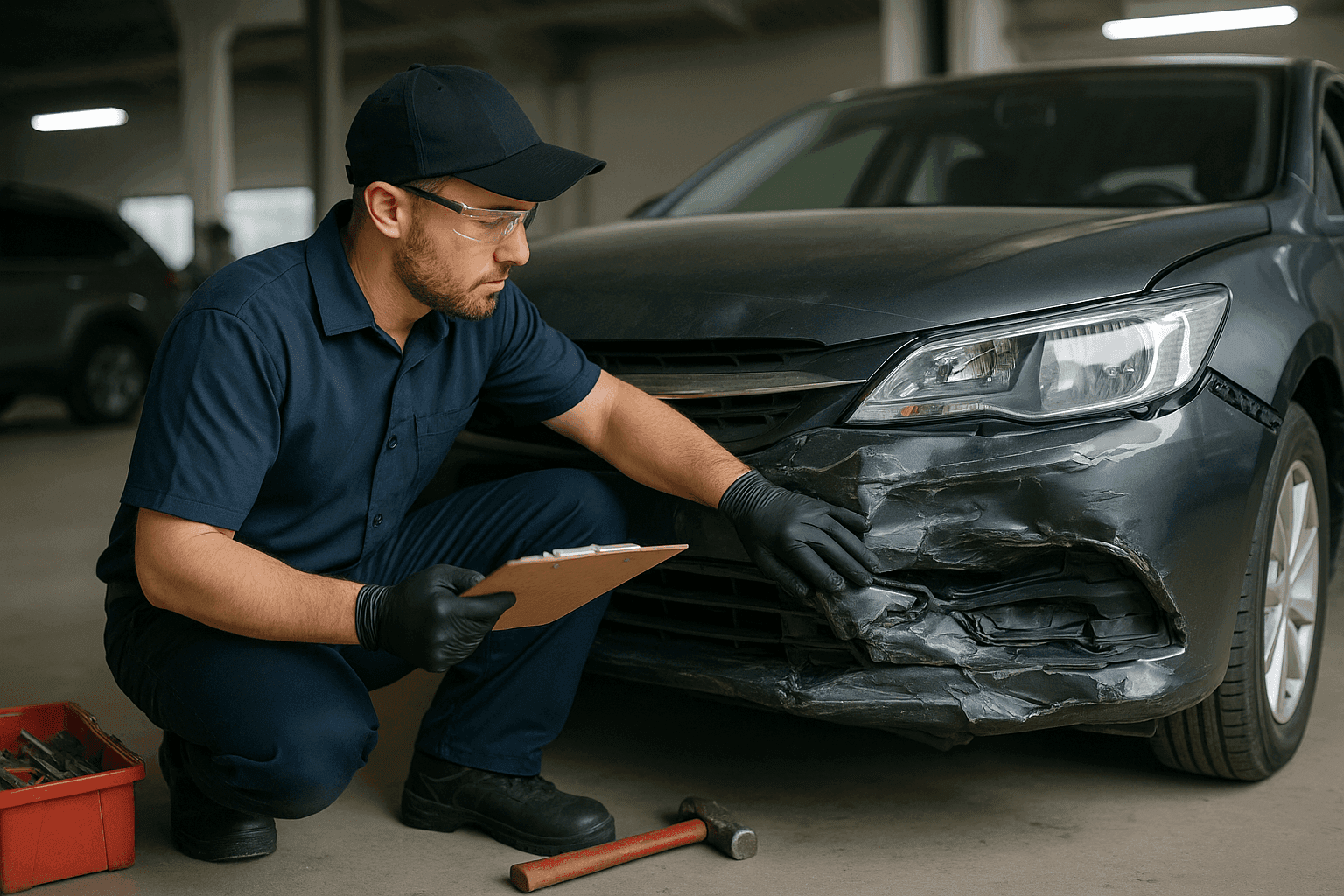
Accidents never send a warning. One moment you’re on your way home, the next you’re staring at a crumpled fender and a shaken sense of safety. For homeowners, a collision can feel like a storm blowing through your driveway—fast, chaotic, and leaving you unsure what to do next.
At Autobody Medics, we know how overwhelming emergency auto_body situations can be. Our certified technicians have helped countless families get back on the road safely, and we’re here to walk you through every step after a collision. This guide is your roadmap for what to do in those first tense moments and how to protect your investment.
Immediate Safety and Documentation 🛑
Your safety—and the safety of everyone involved—comes first. Cars can be fixed. People can’t.
Here’s what you need to do right away:
- Check for injuries. Start with yourself, then your passengers, then others involved. If anyone is hurt, call emergency services immediately.
- Move to safety if possible. If the vehicle can be moved, pull to the side of the road or a safe area. Turn on your hazard lights.
- Call for help. Contact local authorities. A police report is often needed for insurance claims.
- Document the scene. Use your phone to take clear photos of all vehicles, license plates, road conditions, and any visible injuries. Capture wide shots and close-ups.
- Exchange information. Collect names, contact details, insurance info, and vehicle registration from all parties.
- Avoid admitting fault. Stick to the facts when talking to others or the police.
Tip: The National Highway Traffic Safety Administration (NHTSA) recommends keeping a pen, notepad, and emergency contact sheet in your glove box for moments like this.
Contacting Your Insurance and Repair Shop
Once everyone is safe and you’ve gathered the details, it’s time to start the recovery process.
Notify Your Insurance Company
- Report the accident promptly. The sooner, the better. Delays can complicate claims.
- Provide documentation. Share the photos, police report number, and your notes.
- Ask about next steps. Each company has its process, but most will assign an adjuster to review your claim.
Choose Your Emergency Auto Body Repair Shop
- You have the right to choose. Your insurer may recommend shops, but the decision is yours.
- Look for certifications. Shops with I-CAR or ASE-certified technicians meet industry standards for safety and quality.
- Ask about emergency auto_body services. Not all shops offer 24/7 support or have the tools for urgent repairs.
Pro tip: Some insurers offer mobile apps for quick claim filing and photo uploads.
Understanding Repair Options
Not all damage is the same. The right fix depends on what’s broken, bent, or scraped.
Common Emergency Auto Body Services
- Collision repair: Restores structural and cosmetic damage from impacts.
- Paintless dent repair: Removes minor dents without repainting—ideal for hail or parking lot dings.
- Frame straightening: Uses precision tools to restore the vehicle’s frame to factory specs.
- Auto painting & refinishing: Restores color and shine after scratches, chips, or panel replacement.
- Glass and windshield repair: Fixes cracks or replaces shattered glass.
- Bumper and fender repair: Addresses cracks, holes, or misalignment.
- Panel replacement: Swaps out severely damaged doors, hoods, or quarter panels.
- Rust repair: Stops corrosion before it spreads.
How to Decide
- Severity: Is the car drivable, or do you need a tow?
- Type of damage: Cosmetic issues can wait; structural or glass damage often requires immediate attention.
- Insurance requirements: Some policies specify repair methods for certain damages.
Industry best practice: The Society of Collision Repair Specialists advises using OEM (original equipment manufacturer) parts when possible for safety and value.
Preparing for the Repair Process
Knowing what to expect can turn a stressful situation into a manageable one.
What Happens After You Drop Off Your Car
- Initial assessment: Technicians inspect visible and hidden damage, sometimes using digital measuring systems.
- Estimate creation: You’ll receive a detailed breakdown of needed repairs and costs.
- Insurance approval: Your insurer may send an adjuster to inspect the vehicle or approve the shop’s estimate.
- Repairs begin: Skilled technicians handle everything from dent removal to full panel replacement.
- Quality check: Reputable shops perform safety checks and road tests before returning your vehicle.
- Final walk-through: You’ll review the work and ask questions before driving away.
Tip: Keep all receipts and paperwork for your records—and future resale value.
Quick Safety Checklist
Before you leave the scene, run through this list:
- Are all people safe and accounted for?
- Have you called emergency services if needed?
- Did you document the scene thoroughly?
- Do you have all necessary contact and insurance info?
- Is your vehicle safe to drive, or do you need a tow?
- Did you notify your insurance company?
A checklist like this can help you stay calm when your mind is racing.
DIY vs. Call a Pro
It’s tempting to grab a hammer or some touch-up paint and take matters into your own hands. But emergency auto_body work is rarely a DIY job.
When DIY Makes Sense
- Minor scratches or paint chips
- Small, shallow dents (with proper tools)
- Cleaning up debris or broken glass
When to Call a Pro
- Structural damage (frame, suspension, alignment)
- Airbag deployment
- Electrical or brake system issues
- Cracked windshields or windows
- Deep dents, large scrapes, or paint damage exposing bare metal
Why? Modern vehicles are complex. Hidden damage can compromise safety systems, and improper repairs can void warranties or reduce resale value.
What Pros Do On Arrival
When you bring your vehicle to Autobody Medics, here’s what our certified technicians do:
- Conduct a thorough inspection. We check for structural, mechanical, and cosmetic damage—even parts you can’t see.
- Use advanced diagnostic tools. Laser frame measuring, paint matching, and computerized alignment ensure accuracy.
- Create a repair plan. We explain your options, answer questions, and work with your insurer.
- Prioritize safety. Airbags, sensors, and crumple zones are checked and recalibrated as needed.
- Keep you informed. You’ll get updates throughout the process so there are no surprises.
Reference: The Inter-Industry Conference on Auto Collision Repair (I-CAR) sets gold standards for technician training.
Prevention & Maintenance
While you can’t avoid every accident, you can make your vehicle less vulnerable to damage—and your repair process less stressful.
Prevention Tips
- Regular maintenance: Keep brakes, tires, and suspension in top shape.
- Park smart: Choose covered or less crowded spots to avoid dings.
- Address rust early: Even small spots can spread quickly.
- Check your insurance: Make sure you have comprehensive and collision coverage.
After a Repair
- Inspect the work: Look for paint color match, panel alignment, and smooth operation of moving parts.
- Schedule follow-ups: Some repairs may need a checkup after a few weeks.
- Keep records: Detailed repair history helps with resale and future claims.
Costs & Time Factors
No two collisions are the same, and neither are repair bills or timelines.
What Affects Cost
- Extent of damage: Deeper or structural damage costs more.
- Parts: OEM vs. aftermarket parts can change the price.
- Labor: Complex repairs take longer and cost more.
- Paint: Custom colors or finishes add to the total.
Typical Timeframes
- Minor repairs: 1–3 days (small dents, scratches, glass repair)
- Moderate repairs: 3–7 days (bumper, fender, panel replacement)
- Major collisions: 1–3 weeks (frame work, multiple systems)
Note: Delays can happen if parts are on backorder or hidden damage is found.
When It’s an Emergency
Some situations can’t wait. Here’s how to know when you need emergency auto_body help:
- Leaking fluids: Fuel, oil, or coolant leaks are fire hazards.
- Broken glass: A shattered windshield or window exposes you to weather and theft.
- Frame damage: If the car pulls to one side or doors won’t close, the frame may be compromised.
- Airbags deployed: The vehicle is unsafe to drive until inspected and repaired.
- Wheels out of alignment: Can cause loss of control or further tire damage.
If you’re unsure, err on the side of caution. It’s better to call for help than risk your safety.
FAQ
What should I do if my car is not drivable after a collision?
If your car won’t start or has visible leaks, call for a tow to your preferred repair shop. Never attempt to drive a car with major frame, brake, or steering damage.
How do I know if my insurance covers auto body repairs?
Check your policy for collision and comprehensive coverage. Your insurer can explain your deductible and what’s covered based on the accident details.
Can I choose my own repair shop?
Yes. By law, you have the right to select your repair facility, even if your insurer suggests another option.
Will my car look and perform like new after repairs?
A reputable shop with certified technicians and quality parts can restore your car’s appearance and safety. Always inspect the work and ask about warranties on repairs and paint.
Special Considerations for Emergency Auto Body Repair
- After severe weather: Hail, floods, or falling branches can cause hidden damage. Get a full inspection.
- Custom paint or finishes: Specialty jobs may take longer due to color matching or ordering unique parts.
- Insurance claims assistance: Gather all documents—photos, police reports, repair estimates—to streamline the process.
- Rental car needs: Some insurance policies cover rentals while your car is being repaired. Ask your provider.
Remember: Emergency auto_body repairs are about more than just fixing dents—they’re about restoring your peace of mind and protecting your investment.
Call Autobody Medics now — or reach us anytime at 888-448-9925 .