How to Handle Auto Body Damage After a Storm: A Homeowner's Guide
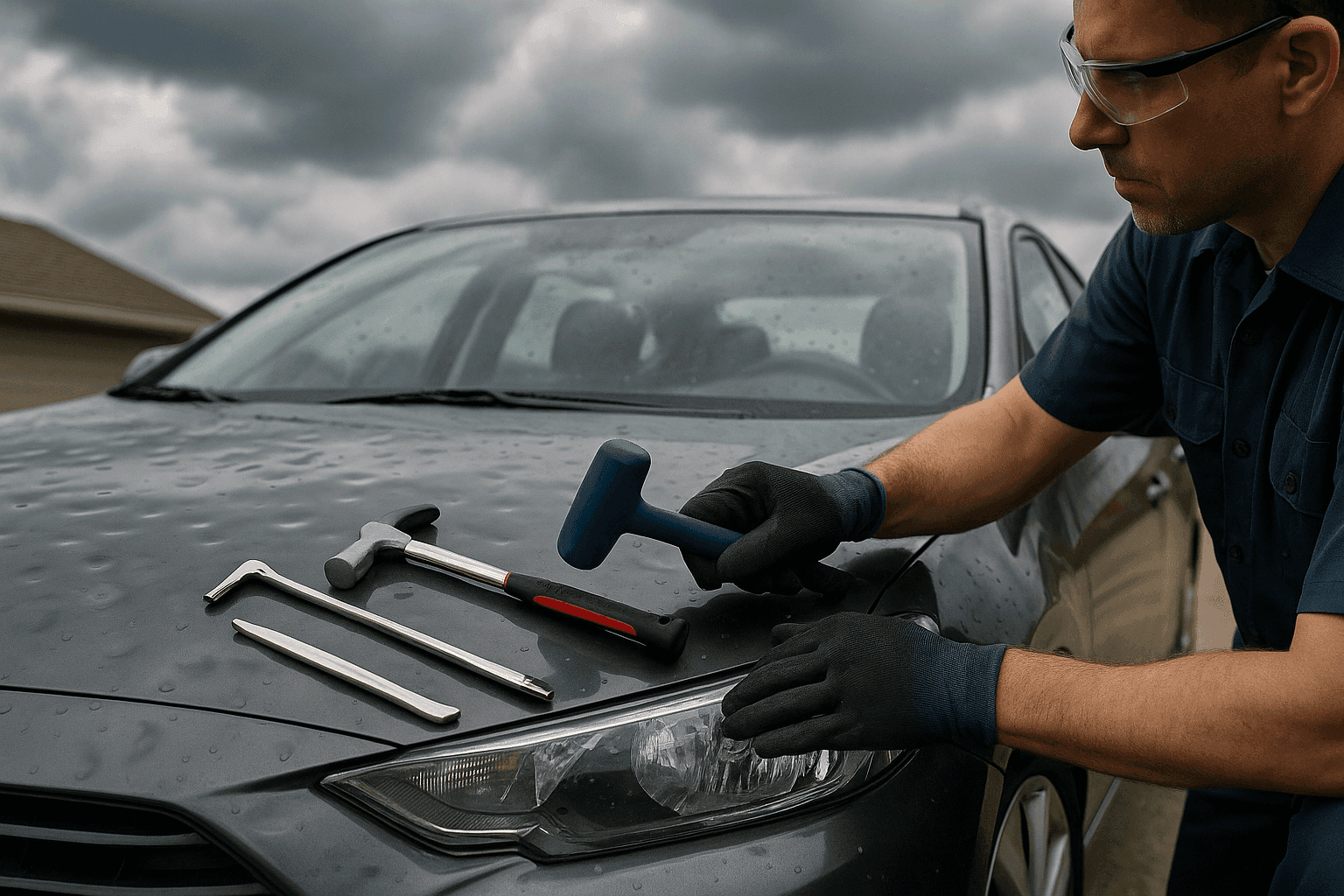
When a storm barrels through, it doesn’t just rattle windows—it can leave your vehicle battered and bruised. Dents, shattered glass, and chipped paint can make your car look like it tangled with a stampede.
At Autobody Medics, we know that dealing with storm damage is stressful and urgent. Our emergency auto_body team is here 24/7, ready to help you get back on the road safely. This guide will walk you through what to do after the skies clear and you find your car has taken a hit.
Assessing Damage Safely 🚗
Before rushing outside, pause. Safety comes first. Storms can leave behind hidden dangers—think broken glass, sharp metal, or even downed power lines.
How to inspect your car without risking injury:
- Wear sturdy shoes and gloves. Don’t let bare feet meet shattered glass.
- Look for overhead hazards. Branches or wires could still fall.
- Check for leaking fluids. If you see puddles under the car, steer clear and call for help.
- Gently test doors and windows. If something feels jammed, don’t force it.
Once you’re sure it’s safe, walk around your car. Use your phone’s flashlight to spot dents, scratches, and nicks, especially on the hood, roof, and trunk. For glass, check every window and the windshield for chips, cracks, or spiderwebbing. Even a small crack can spread quickly.
If you’re unsure about safety, wait for emergency professionals. The National Safety Council recommends caution around any damaged vehicle after a major storm.
Documenting Damage for Insurance Claims
Your car tells a story after a storm. Capturing it right can make the insurance process smoother.
Tips to document damage like a pro:
- Take clear, well-lit photos. Snap from multiple angles—close-ups and wide shots.
- Include the whole car in some shots. This helps show the overall impact.
- Photograph VIN and license plate. These details speed up claims.
- Jot down the date and time. Many phones do this automatically.
- Note any water inside the car. Moisture can lead to rust or electrical issues.
When reporting damage, be thorough. List every ding, scratch, and crack. If you’re filing a claim, your insurance company may ask for a written description and photos. The Insurance Information Institute recommends keeping all documentation organized for a smoother process.
Choosing the Right Repair Services
Not all storm damage is created equal. Some dents are like bruises—they fade with the right touch. Others, like a broken bone, need expert care.
Common repair options after a storm:
- Paintless Dent Repair: Ideal for hail dents and minor bumps. It’s quick and preserves your original paint.
- Auto Body Repair: For deeper scratches, crushed panels, or torn bumpers.
- Frame Straightening: If your car feels off-balance or doors don’t close right, the frame may be bent.
- Glass Replacement: Cracked or shattered windows and windshields need urgent attention.
- Painting & Refinishing: Scratches, chips, and faded paint get a fresh look.
- Rust Repair: Water exposure can quickly lead to rust—catch it early.
Autobody Medics offers all these services, plus insurance claims assistance. We work with adjusters to ensure your claim covers what you need.
Preventing Further Damage
A storm’s aftermath is like an open wound for your car. Left untreated, things can get worse.
Temporary steps you can take:
- Cover broken windows with plastic sheeting or tarp. Secure with painter’s tape to keep water out.
- Avoid driving if your windshield is cracked or vision is blocked.
- Dry out wet interiors. Use towels and fans to prevent mold.
- Park under shelter if another storm is coming.
- Don’t ignore warning lights. Electrical issues can start after water intrusion.
The American Automobile Association (AAA) recommends addressing storm damage as soon as possible to prevent rust and further wear.
Seasonal Maintenance to Avoid Storm Damage
Storms are unpredictable, but preparation stacks the odds in your favor.
Maintenance tips to protect your car:
- Regularly wax and seal your paint. This acts like sunscreen for your car, guarding against chips and water.
- Inspect weather stripping and seals. Replace if cracked to keep water out.
- Check for early signs of rust. Treat spots before they spread.
- Store your vehicle in a garage or under a carport when possible.
- Keep your insurance up to date. Review your policy before storm season.
The National Highway Traffic Safety Administration (NHTSA) suggests routine inspections to keep your car storm-ready.
Emergency Auto_Body: When to Call for Help
Sometimes, damage is more than cosmetic. If your car has:
- Broken glass that exposes the interior
- Visible frame damage or wheels out of alignment
- Leaking fluids or electrical issues
- Doors or hoods that won’t close
- Airbags deployed
…it’s time to call emergency auto_body professionals. Don’t risk driving an unsafe vehicle. Autobody Medics is available 24/7 for urgent repairs and advice.
Costs & Time Factors
Storm damage repair costs can feel like a thunderclap. But knowing what to expect helps.
What affects cost and timing:
- Type and extent of damage: Small dents are quicker and cheaper than major panel replacements.
- Parts availability: Custom paint or rare parts may take longer.
- Insurance process: Processing claims can add days.
- Severity: Severe frame or glass damage takes priority and may require extra time.
Most minor repairs (like paintless dent removal) can be completed within a day or two. Larger jobs, especially those involving frame straightening or custom paint, may take a week or more.
Frequently Asked Questions
Can I drive my car if the windshield is cracked after a storm?
If the crack obstructs your view or the glass is shattered, don’t drive. Even small cracks can grow and compromise safety. The Federal Motor Vehicle Safety Standards require clear, intact glass.
What’s the difference between paintless dent repair and traditional body work?
Paintless dent repair fixes minor dents without repainting, preserving your car’s original finish. Traditional body work may involve sanding, filling, and repainting for deeper damage.
Will my insurance cover storm damage?
Most comprehensive auto policies cover storm-related damage, but check your deductible and coverage limits. Document everything for your claim.
How do I prevent rust after water exposure?
Dry the affected area thoroughly, treat any scratches or chips promptly, and bring your car in for a rust inspection if you notice bubbling or discoloration.
Special Considerations for Storm-Related Repairs
Storm damage isn’t always obvious. Hidden issues—like frame misalignment, electrical shorts, or water in the brake system—can lurk beneath the surface. Modern vehicles have complex electronics that don’t always show symptoms right away.
At Autobody Medics, our technicians use advanced diagnostic tools to uncover hidden problems. We also help you navigate insurance paperwork and advocate for the repairs your vehicle needs.
When storms strike, don’t let auto body damage keep you sidelined. With the right steps and a trusted emergency auto_body team, you can get back on the road safely and quickly.
Call Autobody Medics now — or reach us anytime at 888-448-9925 .